Renewable Energy Myths vs Facts: What People Still Get Wrong
Solar & Renewable Energy
Renewable energy myths vs facts confuse many beginners who want clear answers. People often hear mixed messages about cost, reliability, and impact. This guide breaks down what is false and what is true using simple language and real-world context.
Many beginners worry about whether renewable energy can really replace old power sources. This article focuses on the most common doubts, explains the facts behind them, and shows how renewable energy works in everyday life.
Understanding Renewable Energy Before Believing the Myths
Renewable energy comes from sources that naturally refill, like sunlight, wind, and water. Unlike coal or oil, these sources do not run out. Clean energy systems use technology to turn these natural sources into electricity for homes and businesses.
Many renewable energy myths vs facts debates exist because energy systems feel complex. People often rely on old information, outdated news, or opinions shaped by fossil fuel history. When facts are missing, myths spread faster than truth.
Understanding the basics helps people see why renewable energy keeps growing worldwide. Clear knowledge makes it easier to judge claims about cost, jobs, and reliability.

Renewable Energy Myths vs Facts About Cost
Myth: Renewable Energy Is Too Expensive
Many believe renewable energy costs too much because of high setup prices. Solar panels, wind turbines, and batteries seem costly at first. This idea comes from early years when technology was new and less efficient.
People also compare only the purchase price and ignore long-term savings. This narrow view keeps the myth alive and causes hesitation.
Fact: Renewable Energy Is Becoming Cheaper Than Fossil Fuels
Today, renewable energy prices have dropped sharply. Solar energy and wind energy systems now cost less to run over time. Once installed, fuel costs are nearly zero.
Clean energy projects also avoid expenses linked to pollution and fuel transport. According to data aligned with groups like global energy research organizations, renewable energy often delivers lower lifetime costs than coal or gas.
Renewable Energy Myths vs Facts About Reliability
Myth: Renewable Energy Is Unreliable
A common claim says renewable energy fails when the sun sets or wind stops. This creates fear of blackouts and unstable power. Many people imagine homes going dark whenever clouds appear.
This myth ignores how power systems actually work together.
Fact: Renewable Energy Systems Are Designed for Stability
Modern grids combine many clean energy sources. Solar energy works during the day, while wind energy often peaks at night. Energy storage fills the gaps.
Smart grids also balance supply and demand in real time. Renewable energy myths vs facts often skip these systems, but they are already used in many countries.
Renewable Energy Myths vs Facts About Energy Storage
Myth: Batteries Cannot Store Enough Power
Some think batteries are weak, short-lived, or unsafe. This belief comes from early battery designs and limited examples.
People imagine storage failing during high demand, making clean energy useless.
Fact: Energy Storage Is Rapidly Improving
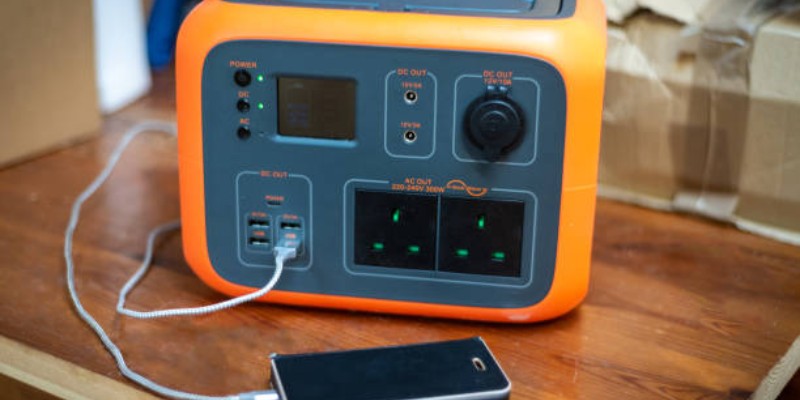
Battery technology has improved in size, safety, and lifespan. Storage now supports homes, businesses, and even whole communities.
Energy storage allows renewable energy to deliver power even when natural sources pause. Research supported by institutions like leading science agencies shows steady progress in storage efficiency and reliability.

Renewable Energy Myths vs Facts About Environmental Impact
Myth: Renewable Energy Is Not Truly Green
Some argue that making solar panels or wind turbines causes pollution. They point to mining and manufacturing impacts and claim clean energy is no better than fossil fuels.
This myth focuses on one stage and ignores the full picture.
Fact: Renewable Energy Has a Much Lower Footprint
Every energy source has some impact, but renewable energy produces far less pollution over its lifetime. Solar energy and wind energy release no emissions during operation.
When compared fully, clean energy avoids massive air and water damage linked to fossil fuels. Trusted environmental research bodies like international environmental programs consistently support this finding.
Renewable Energy Myths vs Facts About Land Use
Myth: Renewable Energy Uses Too Much Space
Large solar farms and wind fields can look overwhelming. Some believe renewable energy will take over farmland or natural areas.
This visual concern often leads to strong opposition.
Fact: Renewable Energy Can Share Space Efficiently
Solar panels work well on rooftops, parking areas, and unused land. Wind energy turbines allow farming and grazing underneath them.
Offshore wind and floating solar projects reduce land pressure even more. Renewable energy myths vs facts often ignore how flexible clean energy placement can be.
Renewable Energy Myths vs Facts About Jobs
Myth: Renewable Energy Destroys Jobs
Workers in oil and coal industries fear job losses. This fear fuels claims that clean energy harms the economy.
Change feels threatening when livelihoods are involved.
Fact: Renewable Energy Creates New Jobs
Renewable energy supports jobs in installation, maintenance, engineering, and manufacturing. Many roles are local and long-term.
As clean energy grows, new skills emerge and training expands. Renewable energy myths vs facts become clearer when employment data is viewed across the full energy sector.
Renewable Energy Myths vs Facts About Developing Regions
Myth: Renewable Energy Is Only for Wealthy Countries
Some believe clean energy requires advanced infrastructure and high budgets. This creates doubt about its use in poorer regions.
The myth suggests fossil fuels are the only option.
Fact: Renewable Energy Fits Developing Needs Well
Solar energy powers off-grid villages, clinics, and schools. Wind energy supports local grids without long fuel supply chains.
Clean energy brings electricity to places fossil fuels never reached. Renewable energy myths vs facts shift quickly when real-world use is seen in action.
Renewable Energy Myths vs Facts About Government Support
Myth: Renewable Energy Only Survives on Subsidies
Critics claim clean energy cannot compete without government help. They argue subsidies hide true costs.
This idea overlooks long-term trends.
Fact: Renewable Energy Competes on Its Own
Many renewable energy projects now succeed without heavy support. Falling costs and high demand drive growth.
Even where incentives exist, fossil fuels often receive more support. Renewable energy myths vs facts become clearer when all subsidies are compared fairly.
Renewable Energy Myths vs Facts: What the Evidence Shows
Renewable energy myths vs facts matter because energy choices affect daily life. Homes, jobs, health, and the environment all depend on reliable power.
Clear evidence shows renewable energy is affordable, reliable, and cleaner than old systems. Understanding the facts helps people make informed decisions without fear or confusion.
Sources
Share this article:
Recommended For You



Most Viewed

ADVERTISEMENT